Welcome to the Social-Cognitive Science Lab at Simon Fraser University! Our lab studies how people learn and reason about each other to navigate a dynamic social world. We aim to better understand how cognition flexibly unfolds across different social contexts, and to use these insights to facilitate social connection, coordination, and change.

Below are some themes that guide research in the lab:

Mechanisms of Social Perception

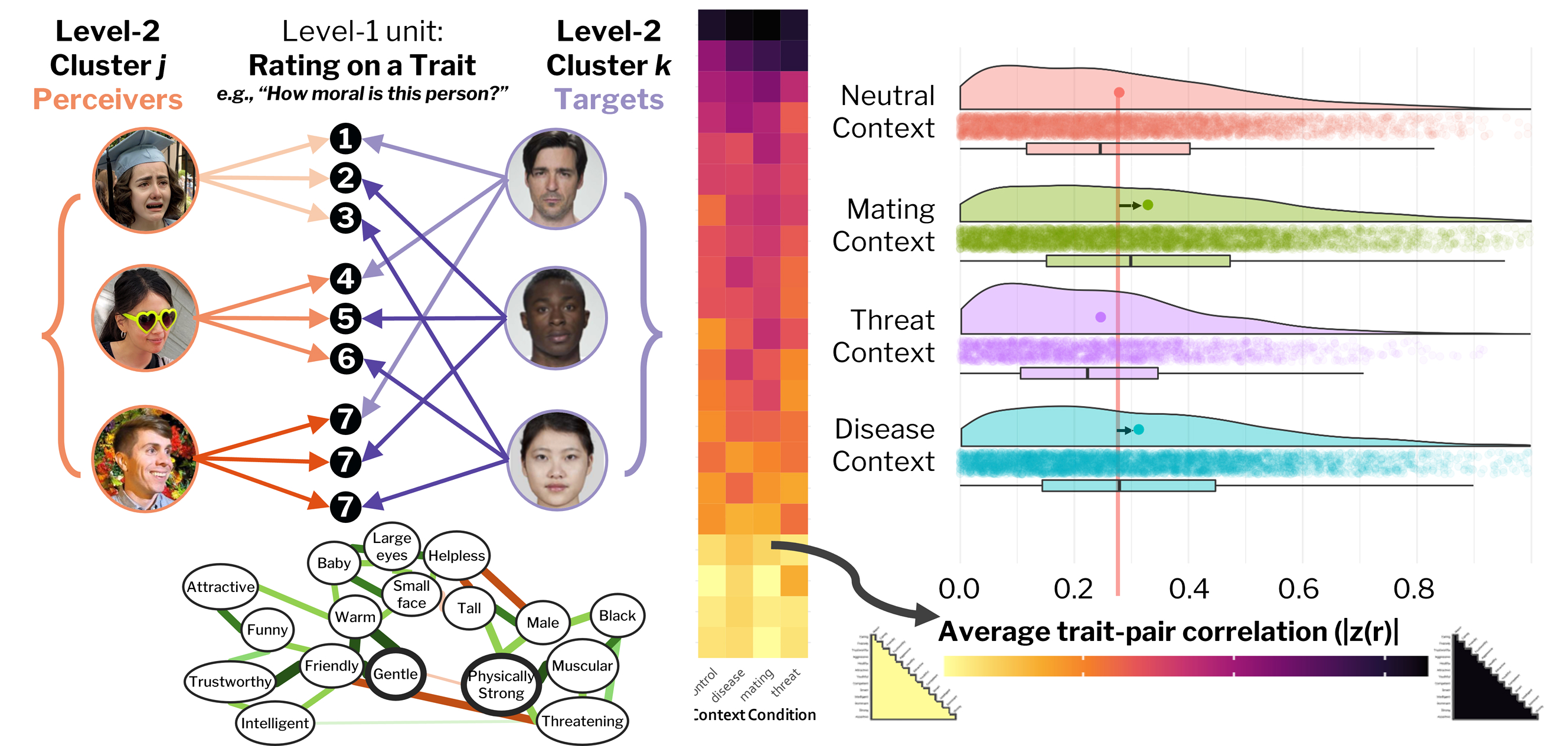
Human minds have an ordinary superpower: we quickly and flexibly form impressions of people, groups, and situations to navigate our social world. How do we form these impressions of others and ourselves? To what extent are these impressions grounded in reality (and whose reality)? What causes a first impression to change, and how do social contexts—from racial and gender stereotypes to the social goal affordances of a specific situation—constrain the way that we perceive others, both consciously and unconsciously?

Stereotypes & Structural Bias

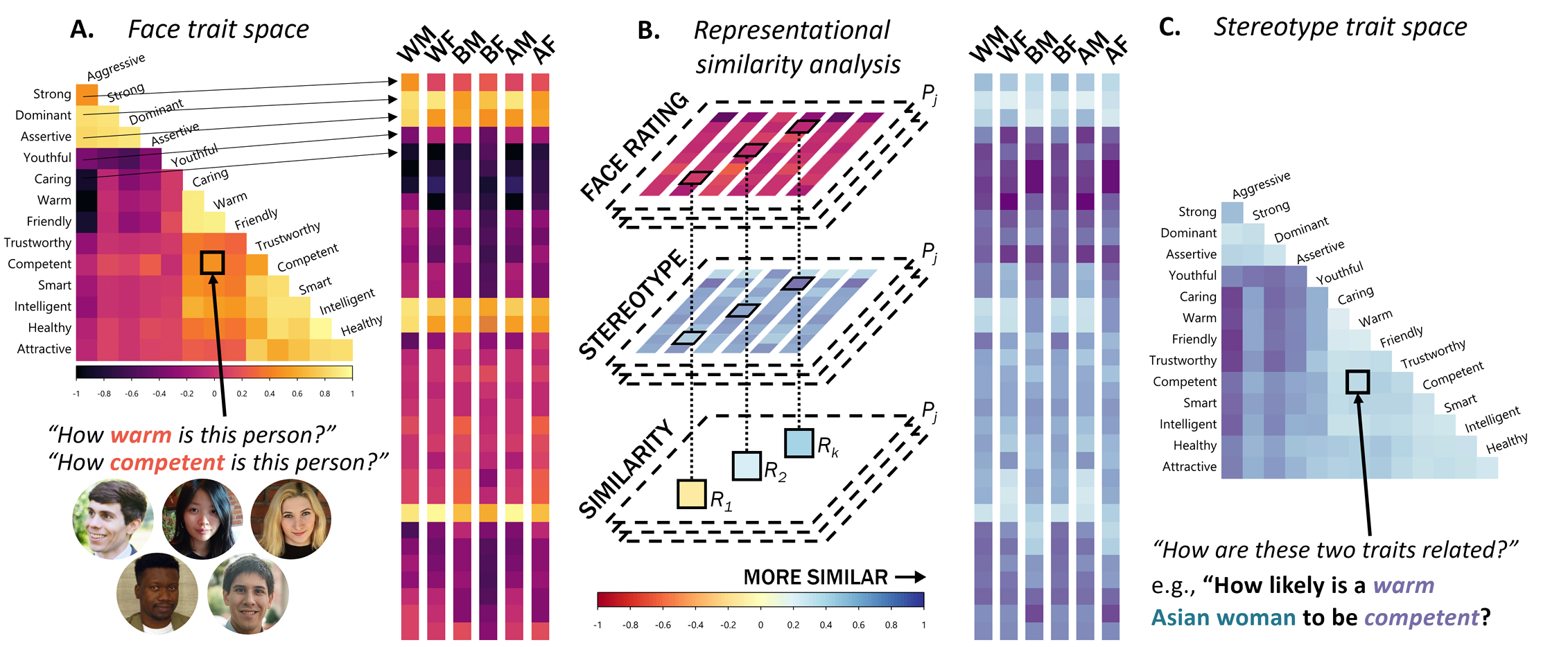
A person's social knowledge is rarely (if ever) objective: it's built on efficient but imperfect cognitive systems that learn from biased information environments. How do social biases (e.g., stereotypes) form, persist, and evolve in our minds and across our societies? What modifies the human tendency to group individuals into abstract sets? How do stereotypes propagate in our everyday interactions and in the cultural products we create or consume? How do stereotypes impact people with marginalized identities over time, and how can we successfully intervene on these processes?

Identity Transformations

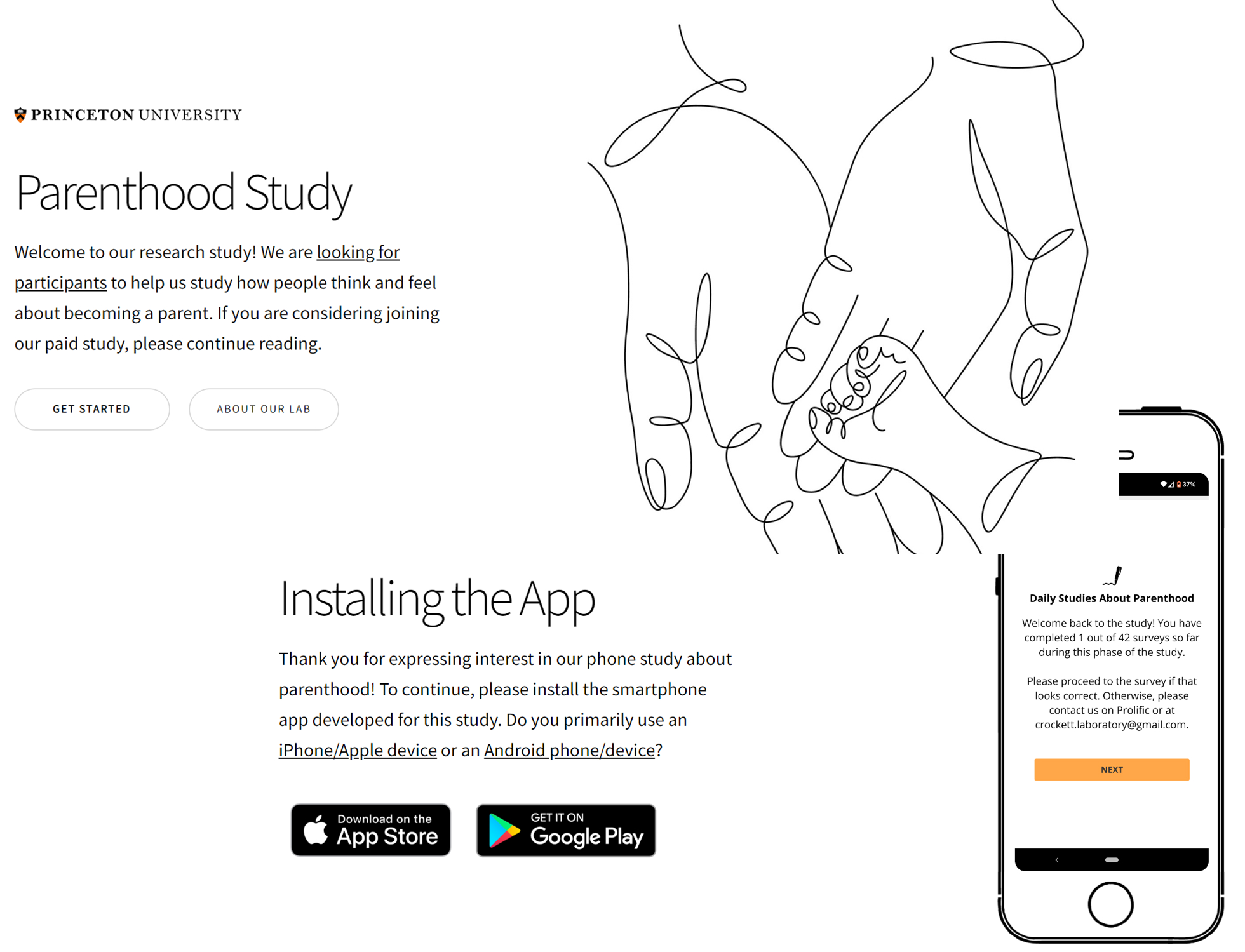
The way that we understand others (and ourselves) can be profoundly altered by experiences that shift the foundations of our knowledge. How do transformative experiences reshape our understanding of ourselves and the world around us? What social-cognitive mechanisms drive such profound internal shifts? How do epistemic changes impact core values, goals, and decision-making? Beyond 'milestones', what dynamics underlie moment-to-moment changes in identity? How does experiencing collective consciousness influence internal representations of the 'self'?

Normative Ideals

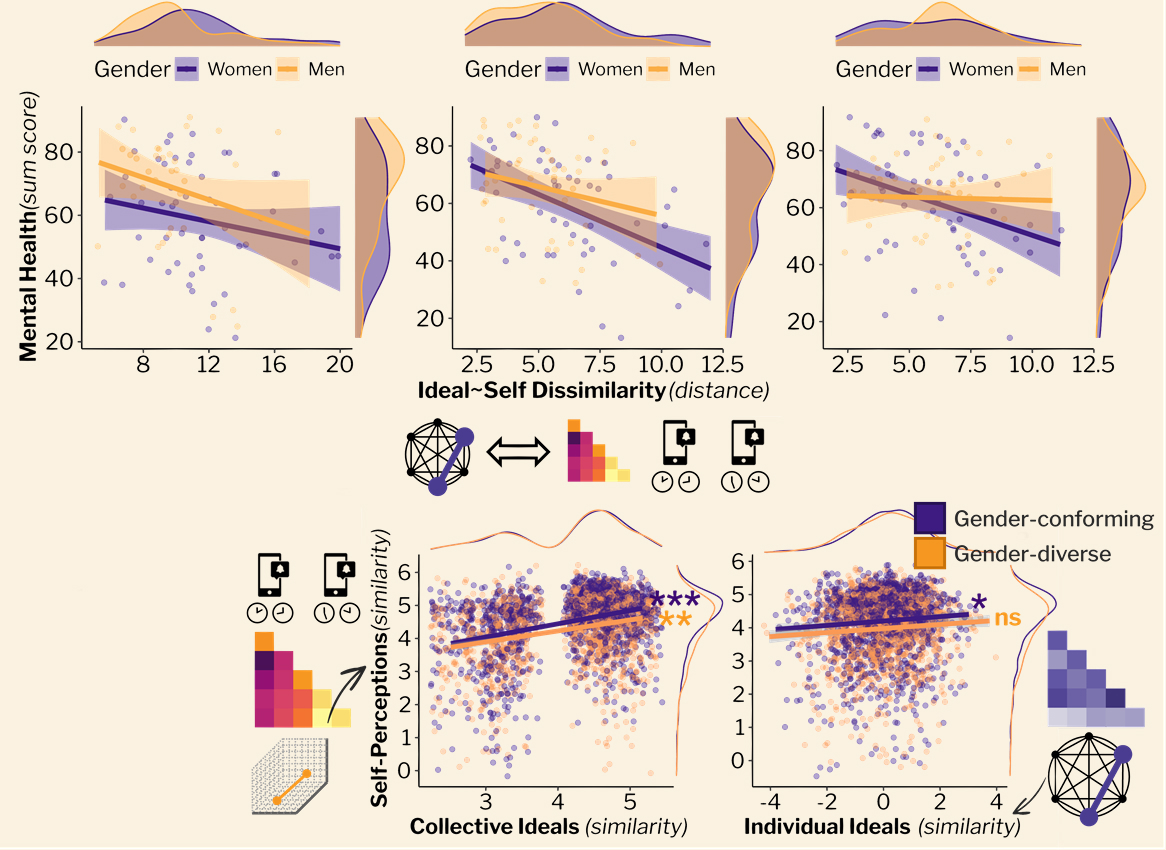
What can and should we learn from others to navigate a reality beyond our immediate experience? How do—and how should—individuals choose who they want to become? When do collective norms serve as a 'wisdom of crowds' that corrects individual bias, and when do they act to exacerbate it? New work in the lab examines how people navigate the tension between personal identity and the normative ideals that define our collective social life.

Paradoxes & Play

What can we learn from engaging with riddles, paradoxes, koans, and playful scenarios? How do puzzles that challenge standard logic or common sense reveal the hidden assumptions within our mental models? How might games that bend player agency foster cognitive flexibility, empathy, and identity exploration?